Business Waste Removal in Regents Park
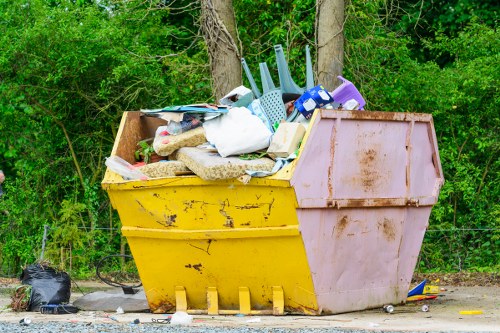
In the bustling heart of Regents Park, businesses thrive amidst the vibrant community and scenic landscapes. However, with growth comes the responsibility of managing waste efficiently. Business waste removal in Regents Park is crucial not only for maintaining a clean and professional environment but also for adhering to local regulations and promoting sustainability.
Proper waste management can significantly impact a business's operational efficiency and reputation. Companies that prioritize effective waste removal demonstrate their commitment to environmental stewardship and social responsibility, which can enhance their brand image and appeal to eco-conscious customers.
Moreover, efficient waste removal services help businesses avoid potential fines and penalties associated with improper waste disposal. By partnering with professional waste management providers, companies can ensure compliance with local laws and regulations, thereby safeguarding their operations and reputation.
Why Effective Waste Removal is Essential for Businesses
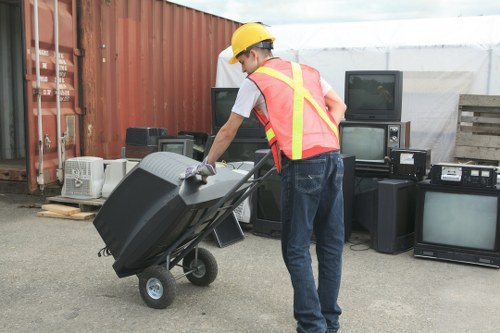
Effective waste removal is more than just a necessity; it's a cornerstone of sustainable business practices. For businesses in Regents Park, maintaining a clean and organized workspace not only fosters employee well-being but also creates a positive impression on clients and visitors.
Implementing a robust waste management strategy can lead to numerous benefits, including:
- Enhanced Efficiency: Streamlined waste removal processes minimize clutter and optimize workspace efficiency.
- Cost Savings: Proper waste management can reduce disposal costs and prevent unnecessary expenses related to fines or inefficiencies.
- Environmental Responsibility: Sustainable waste practices contribute to the preservation of the local environment and promote corporate social responsibility.
- Regulatory Compliance: Adhering to waste disposal regulations helps businesses avoid legal issues and maintain their operational licenses.
By addressing waste management proactively, businesses can create a more organized, efficient, and environmentally friendly workplace.
Additionally, effective waste removal is integral to promoting a healthy and safe work environment. Accumulated waste can attract pests, harbor bacteria, and create hazards, which can negatively impact employee health and productivity.
Choosing the Right Waste Removal Service
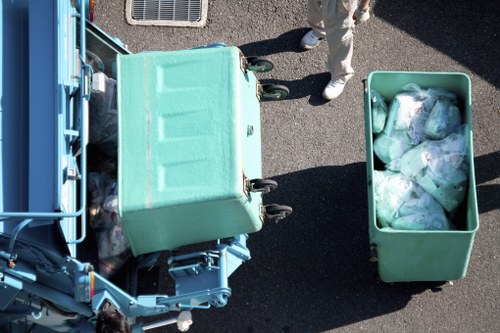
Selecting the appropriate waste removal service is a critical decision for businesses in Regents Park. The right provider can offer tailored solutions that meet specific business needs, ensuring that waste is handled responsibly and efficiently.
When evaluating waste removal services, consider the following factors:
- Service Range: Ensure the provider offers comprehensive services, including regular pickups, recycling, and disposal of various waste types.
- Reputation: Research the company's reputation through reviews, testimonials, and industry certifications to gauge their reliability and quality of service.
- Compliance: Verify that the provider adheres to local regulations and environmental standards, ensuring that your business remains compliant.
- Cost-Effectiveness: Compare pricing structures to find a service that offers value without compromising on quality.
- Flexibility: Choose a provider that can accommodate your business's unique waste removal needs and scale services as your business grows.
By carefully assessing these factors, businesses can select a waste removal service that aligns with their operational goals and sustainability objectives.
Furthermore, consider the provider's commitment to sustainability. Companies that prioritize eco-friendly practices, such as recycling and waste reduction, contribute positively to the environment and can enhance your business's green credentials.
Benefits of Professional Waste Removal Services

Engaging professional waste removal services offers a multitude of benefits for businesses in Regents Park. These services provide expertise, efficiency, and reliability, ensuring that waste is managed effectively.
Some key advantages include:
- Time Savings: Outsourcing waste management allows businesses to focus on core operations without the burden of handling waste disposal.
- Expert Handling: Professional services are equipped to handle various waste types, including hazardous materials, ensuring safe and compliant disposal.
- Customized Solutions: Services can be tailored to meet the specific needs of different businesses, whether it's daily pickups for high-waste industries or periodic services for smaller offices.
- Environmental Impact: Professional providers often implement sustainable practices, such as recycling and waste minimization, reducing the overall environmental footprint of your business.
- Regulatory Adherence: Ensuring that waste disposal methods comply with local laws helps prevent legal issues and maintains your business's good standing.
Leveraging the expertise of professional waste removal services can lead to more efficient operations and a more sustainable business model.
Moreover, these services can provide detailed reporting and tracking of waste management activities, offering businesses insights into their waste generation patterns and opportunities for improvement.
Implementing a Sustainable Waste Management Strategy

Developing a sustainable waste management strategy is essential for businesses committed to environmental stewardship. This involves not only removing waste efficiently but also minimizing waste generation and maximizing recycling efforts.
Key components of a sustainable strategy include:
- Waste Reduction: Implement practices to reduce the amount of waste generated, such as digital documentation and efficient resource utilization.
- Recycling Programs: Establish comprehensive recycling initiatives to divert recyclable materials from landfills.
- Employee Training: Educate staff on proper waste segregation and sustainability practices to foster a culture of responsibility.
- Regular Audits: Conduct periodic assessments of waste management processes to identify areas for improvement and ensure compliance with environmental standards.
- Partnerships: Collaborate with waste removal services that prioritize sustainability and support eco-friendly initiatives.
By integrating these elements, businesses can significantly reduce their environmental impact and promote sustainable operations.
Additionally, embracing innovative waste management technologies, such as waste tracking software and automated disposal systems, can enhance the effectiveness of your sustainability efforts.
Local Regulations and Compliance in Regents Park
Navigating the local regulations surrounding waste removal in Regents Park is crucial for businesses to remain compliant and avoid potential penalties. Understanding the specific requirements ensures that waste is managed responsibly and in accordance with the law.
The council of Regents Park has established guidelines that dictate how different types of waste should be handled. It's essential for businesses to familiarize themselves with these regulations to ensure that their waste management practices are aligned with local standards.
Key regulatory aspects include:
- Waste Classification: Differentiate between general waste, recyclable materials, and hazardous waste, each of which has specific disposal protocols.
- Collection Schedules: Adhere to designated pickup times and procedures to ensure timely and compliant waste disposal.
- Permits and Licensing: Obtain necessary permits for waste disposal, especially when handling large volumes or specialized waste types.
- Reporting Requirements: Maintain accurate records of waste disposal activities as mandated by local authorities.
- Environmental Standards: Ensure that waste removal practices do not adversely affect the local environment, aligning with sustainability goals.
Staying informed about regulatory changes and updates helps businesses adapt their waste management strategies accordingly.
Engaging with local waste management authorities and participating in community initiatives can also enhance your business's compliance and commitment to responsible waste disposal.
Cost-Effective Waste Removal Solutions
Balancing effective waste removal with cost efficiency is a common challenge for businesses in Regents Park. Implementing strategic approaches can help manage waste without straining your budget.
Consider the following strategies to achieve cost-effective waste management:
- Optimize Waste Generation: Reducing the amount of waste produced minimizes disposal costs and resource consumption.
- Recycling Initiatives: Recycling often costs less than disposing of waste, and some materials may generate revenue through recycling programs.
- Bulk Disposal: Arranging bulk disposal services can reduce per-unit costs associated with waste removal.
- Scheduled Pickups: Regular and consistent waste collection prevents overflow and reduces the need for emergency pickups, which are typically more expensive.
- Vendor Negotiations: Negotiating contracts with waste removal providers can lead to better rates and customized service packages that fit your budget.
Implementing these practices not only lowers waste management expenses but also contributes to a more sustainable and efficient business operation.
Additionally, investing in waste management technologies and training can lead to long-term savings by streamlining processes and reducing waste generation.
Enhancing Workplace Productivity Through Cleanliness
A clean and organized workplace is essential for maintaining high levels of productivity and employee satisfaction. Effective business waste removal in Regents Park plays a pivotal role in achieving this environment.
Clutter and accumulated waste can create distractions, leading to decreased focus and efficiency among employees. By ensuring that waste is managed promptly and effectively, businesses can create a workspace that fosters concentration and productivity.
Moreover, a clean environment contributes to better health and well-being of employees. Proper waste management reduces the risk of illnesses related to unsanitary conditions, leading to fewer sick days and higher overall morale.
Environmental Impact of Business Waste Removal
Businesses in Regents Park have a significant role to play in minimizing their environmental footprint through responsible waste removal. Sustainable waste management practices contribute to the preservation of local ecosystems and the broader effort to combat environmental degradation.
Adopting eco-friendly waste removal strategies, such as recycling, composting, and reducing single-use materials, can dramatically decrease the amount of waste that ends up in landfills. This not only conserves natural resources but also reduces greenhouse gas emissions associated with waste decomposition.
Furthermore, businesses can participate in community recycling programs and support initiatives that aim to promote sustainability within Regents Park. These efforts collectively enhance the environmental health of the region and demonstrate a commitment to ecological responsibility.
Technological Innovations in Waste Management
Advancements in technology have revolutionized the waste management landscape, offering businesses in Regents Park innovative solutions to enhance their waste removal processes. Leveraging these technologies can lead to more efficient, accurate, and sustainable waste management practices.
Some notable technological innovations include:
- Waste Tracking Systems: Digital platforms that monitor waste generation, collection, and disposal, providing businesses with comprehensive data to optimize their waste management strategies.
- Automated Sorting: Advanced machinery that separates recyclable materials from general waste, improving recycling rates and reducing manual labor.
- Smart Bins: Equipped with sensors, these bins can alert waste removal services when they are full, ensuring timely pickups and preventing overflow.
- Recycling Robots: Robots designed to identify and sort recyclable materials with high precision, enhancing the efficiency of recycling processes.
- Data Analytics: Utilizing data to analyze waste patterns and identify opportunities for waste reduction and cost savings.
Incorporating these technologies into waste management practices not only improves efficiency but also contributes to a more sustainable and environmentally friendly operation.
Businesses can collaborate with waste removal service providers that utilize these innovations to stay ahead in sustainable waste management and optimize their operational workflows.
Building a Culture of Sustainability
Creating a culture of sustainability within a business involves more than just effective waste removal; it requires a collective commitment to environmentally responsible practices across all levels of the organization.
Encouraging employees to participate in waste reduction and recycling initiatives fosters a sense of ownership and responsibility. Providing training and resources on sustainable practices empowers staff to contribute actively to the company's environmental goals.
Additionally, integrating sustainability into the company's values and mission statement underscores its importance and ensures that it remains a priority in decision-making processes.
Case Studies: Successful Waste Removal Implementations
Examining successful waste removal implementations can provide valuable insights and inspiration for businesses in Regents Park. Case studies highlight effective strategies and the tangible benefits of prioritizing waste management.
Example 1: Tech Innovators Inc. This company streamlined its waste removal process by partnering with a local service provider that offered automated waste tracking systems. As a result, Tech Innovators Inc. reduced its waste generation by 30% and improved recycling rates by 50%, leading to significant cost savings and enhanced sustainability credentials.
Example 2: Green Retail Solutions By implementing comprehensive employee training programs and establishing dedicated recycling stations throughout their offices, Green Retail Solutions fostered a culture of sustainability. This initiative not only decreased their overall waste but also boosted employee engagement and satisfaction.
Future Trends in Business Waste Removal
The landscape of business waste removal is continually evolving, driven by advancements in technology, shifting regulatory frameworks, and growing environmental awareness. Staying informed about future trends can help businesses in Regents Park stay ahead and adapt their waste management strategies accordingly.
Key trends to watch include:
- Circular Economy Models: Moving towards a circular economy where waste is minimized, and materials are reused or recycled continuously.
- Increased Automation: Enhancing waste sorting and removal processes through automation to improve efficiency and accuracy.
- Enhanced Data Utilization: Leveraging big data and analytics to optimize waste management practices and reduce environmental impact.
- Regenerative Practices: Implementing practices that not only reduce waste but also contribute positively to the environment, such as composting and energy recovery.
- Collaborative Partnerships: Forming partnerships with other businesses and organizations to share resources and develop joint sustainability initiatives.
Embracing these trends can position businesses as leaders in sustainable waste management, fostering long-term resilience and environmental stewardship.
Moreover, adopting innovative practices and technologies early can provide competitive advantages, such as improved operational efficiency and enhanced brand reputation.
Conclusion: Taking the Next Step
Effective business waste removal in Regents Park is integral to achieving operational excellence, environmental sustainability, and regulatory compliance. By partnering with professional waste removal services, implementing sustainable strategies, and fostering a culture of responsibility, businesses can navigate the complexities of waste management with ease.
Investing in comprehensive waste removal solutions not only benefits the business but also contributes positively to the broader community and environment.
Contact us today to learn how our tailored waste removal services can support your business's sustainability goals and enhance your operational efficiency. Book your service now and take the first step towards a cleaner, greener future.